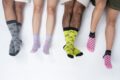
To wear yoga and Pilates socks is to honor both tradition and innovation.
They are not mere fabric, but a mantra woven in threads:
Grip to steady your journey,
Ground to root your spirit,
Glow to radiate your inner light.
Choose wisely, and let every step become a ritual of balance and beauty.
Introduction
In the world of mindful movement, every detail matters. From the mat beneath your feet to the breath guiding your flow, yoga and Pilates are practices rooted in awareness. Yet one accessory has quietly transformed the way practitioners experience these disciplines: yoga and Pilates socks. Designed with non-slip grips, breathable fabrics, and supportive structures, these socks embody the mantra of grip, ground, and glow.
This blog explores the origin, benefits, features, trends, and buying guide for yoga and Pilates socks, weaving together tradition and modern innovation.
🌍 The Origin Story of Yoga & Pilates Socks
Yoga: Barefoot Beginnings
Yoga originated in India thousands of years ago as a barefoot practice. The connection between feet and earth symbolized grounding, energy flow, and spiritual alignment. Traditionally, practitioners avoided footwear to maintain tactile awareness and balance.
However, as yoga spread globally and entered modern studios, hygiene and safety became pressing concerns. Shared mats and studio floors introduced risks of slipping and exposure to bacteria. Socks emerged as a solution—protecting feet while preserving the essence of barefoot connection through open-toe and grip-enhanced designs.
Pilates: Precision and Innovation
Pilates was developed in the early 20th century by Joseph Pilates, a German trainer who emphasized controlled movement, core strength, and alignment. Pilates reformer machines, with their sliding platforms and springs, demanded stability. Non-slip socks became essential to prevent accidents and enhance precision.
Thus, yoga and Pilates socks evolved as modern innovations rooted in ancient and early 20th-century practices, blending tradition with contemporary wellness needs.
🧦 What Are Yoga & Pilates Socks?
Yoga and Pilates socks are specialized non-slip socks designed to:
– Provide traction on mats and reformer machines.
– Maintain hygiene in shared studio spaces.
– Offer comfort and warmth during slower practices.
– Support alignment and balance in dynamic movements.
They come in various styles:
– Open-Toe Socks: Allow tactile connection with the mat, enhancing proprioception.
– Full-Toe Socks: Provide warmth and coverage, ideal for colder studios.
– Hybrid Designs: Combine grip technology with stylish prints for studio-to-street wear.
🌟 Benefits of Yoga & Pilates Socks
1. Grip & Stability
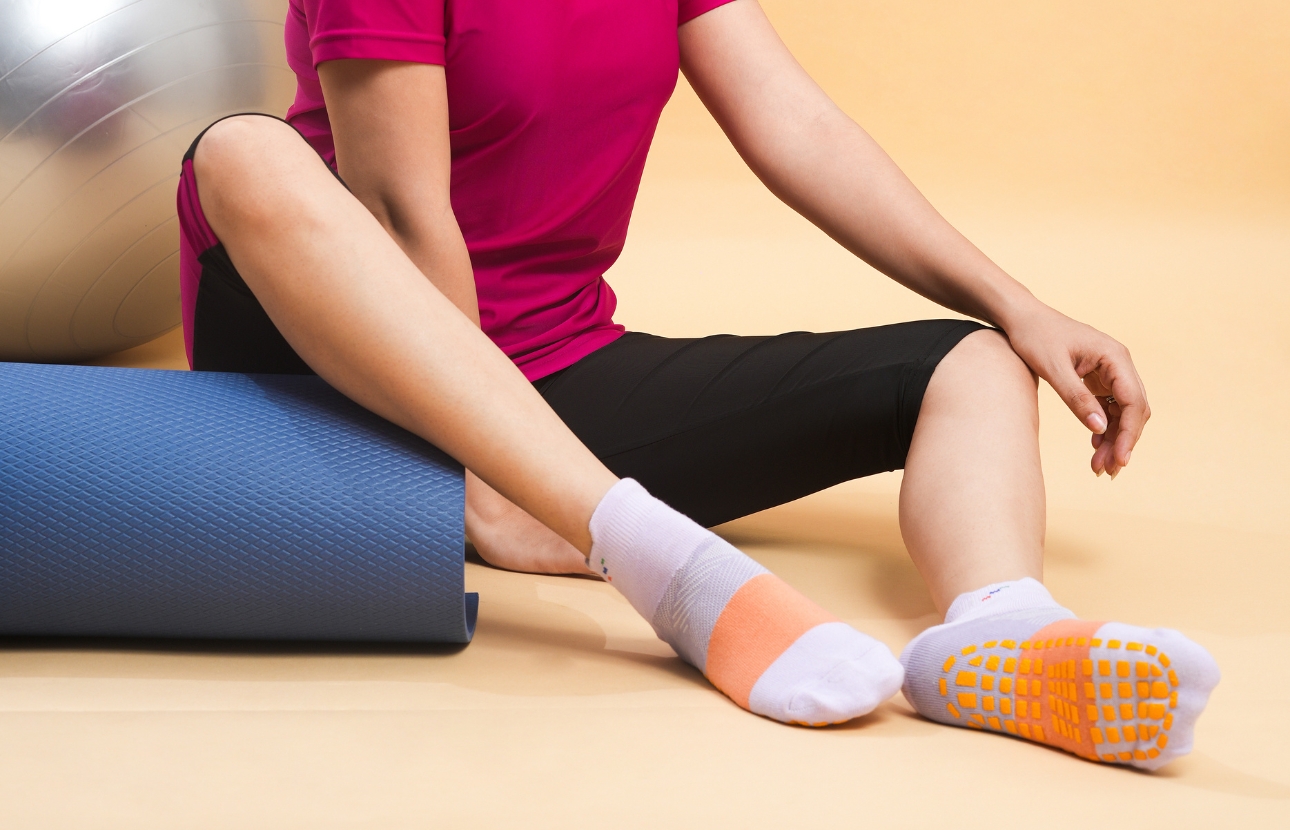
The silicone or rubber grips on the sole prevent slipping during poses like Downward Dog or Pilates reformer lunges. This enhances confidence and reduces injury risk.
2. Hygiene Protection
Socks act as a barrier against bacteria, sweat, and dust on mats and studio floors, ensuring a cleaner practice.
3. Comfort & Warmth
In restorative yoga or slow Pilates sessions, socks keep feet cozy, preventing distraction from cold surfaces.
4. Mindful Focus
By eliminating the fear of slipping, socks allow practitioners to focus on breath, alignment, and flow—deepening the meditative quality of practice.
5. Versatility
Beyond yoga and Pilates, grip socks are useful for barre, dance, and home workouts.
🧘 Features to Look For
– Non-Slip Grip: Silicone or rubber dots for traction.
– Breathable Fabrics: Cotton, bamboo, or moisture-wicking blends.
– Toe Options: Open-toe for tactile connection, full-toe for warmth.
– Arch Support: Compression bands to reduce fatigue.
– Durability: Reinforced heels and toes for long-lasting wear.
– Eco-Friendly Materials: Organic cotton and recycled fibers for sustainability.
🧘 Yoga vs Pilates Socks: What’s the Difference?
Feature Yoga Socks
Grip Importance High (mat stability) Very High (reformer safety)
Toe Options Open-toe common Full-toe more common
Fabric Preference Breathable cotton Stretchable blends
Style Trends Chakra prints, mandalas Sleek, minimalist
🔮 Trends in 2025 and Beyond
– Eco-Friendly Materials: Organic cotton, bamboo, recycled fibers.
– Fashion Meets Function: Chakra-inspired prints, poetic motifs, bold colors.
– Hybrid Designs: Studio-to-street socks for versatility.
– Symbolic Grip Patterns: Lotus petals, chakras, and mandalas for spiritual resonance.
– Personalized Rituals: Brands experimenting with bilingual invocations and poetic packaging.
Buying Guide: How to Choose the Best Yoga & Pilates Socks
1. Check Reviews: Look for durability and grip performance.
2. Size & Fit: Ensure snug fit without restricting circulation.
3. Purpose: Choose open-toe for yoga, full-toe for Pilates reformer.
4. Brand Values: Support sustainable and ethical brands.
5. Budget: Affordable options exist without compromising
⚠ Risks & Considerations
– Barefoot Benefits: Traditionalists argue barefoot practice enhances grounding and sensory feedback.
– Quality Issues: Low-quality socks may lose grip after washing, reducing safety.
– Fit Concerns: Ill-fitting socks can restrict circulation or bunch up, disrupting practice.
✨ Grip, Ground, and Glow – A Poetic Perspective
Yoga and Pilates socks are more than functional gear. They embody a ritual:
– Grip: Anchoring you in every pose, every reformer movement.
– Ground: Connecting you to the earth, honoring barefoot traditions.
– Glow: Inspiring confidence, comfort, and mindfulness that radiates beyond the studio.
Conclusion
Yoga and Pilates socks are small but mighty allies in your wellness journey. Rooted in barefoot traditions yet adapted for modern studios, they protect, support, and inspire confidence in every movement. Choosing the right pair transforms practice into a ritual of balance, beauty, and mindfulness.