
CategoriesFashion Others

The Most Underrated Accessory – The Silent Storytellers

Why Socks Deserve More Attention

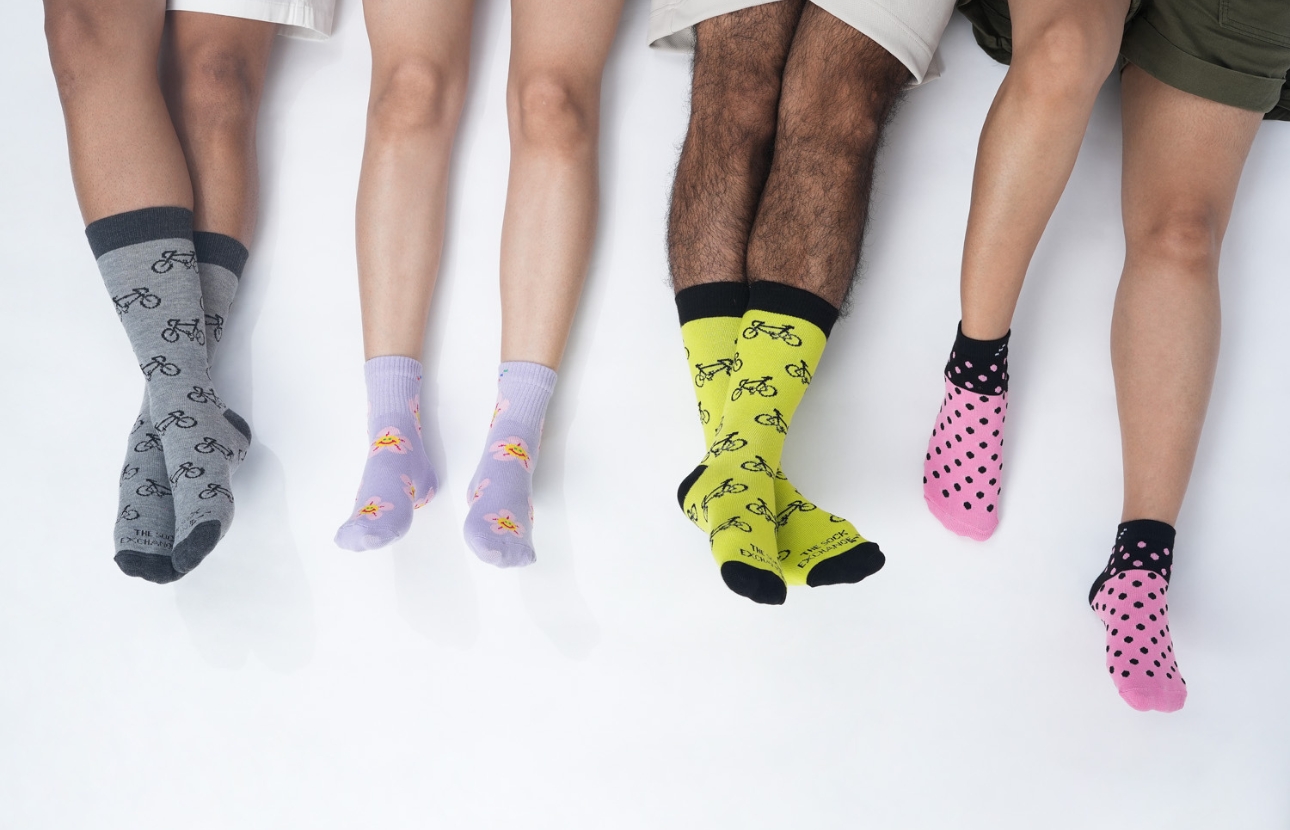
Socks sit quietly between skin and shoe — a small garment with an outsized influence on comfort, hygiene, and personal style. Often overlooked, socks are far more than basic necessities. They are intentional accessories that carry history, cultural symbolism, and subtle self-expression.
In today’s evolving fashion landscape, it’s time to rethink socks not as afterthoughts, but as essential lifestyle pieces that complete every step of your day.

The Forgotten Accessory That Speaks Volumes
Most accessories are designed to be noticed — necklaces shine, scarves flow, handbags make statements. Socks, however, live in the shadows. Hidden beneath shoes, they rarely receive credit for shaping daily comfort and confidence.

Yet the wrong pair of socks can ruin an entire day: too tight, poorly ventilated, or made from low-quality fabric. The right pair cushions every step, regulates temperature, prevents odor, and supports foot health.

In fashion psychology, socks are often referred to as the “unseen ensemble.” They finish an outfit without demanding attention.

• A professional may hide playful patterned socks beneath polished shoes.
• An athlete relies on moisture-wicking socks for performance and endurance.
Though often invisible, socks reveal personality, practicality, and self-care choices — quietly but powerfully.

A Brief History of Socks
Foot coverings date back thousands of years. Early versions were crafted from animal skins and woven fabrics, designed for warmth and protection.
By the late 16th century, machine-knitted socks revolutionized production, making them more accessible and varied. Archaeological discoveries in Egypt even reveal split-toe socks, designed specifically for sandals — an early example of function-led design that mirrors modern sock innovation.

Cultural Symbolism of Socks
Across cultures, feet hold deep meaning, and socks act as gentle protectors.
• In Japan, tabi socks symbolize tradition, etiquette, and craftsmanship.
• In colder regions, socks represent warmth, care, and survival.
• In many societies, fine foot coverings were once markers of social status.
Socks may be soft, but their cultural role is significant.

Socks in Modern Fashion
Once relegated to the background, socks have stepped into the spotlight.
Streetwear culture transformed socks into visible fashion statements — from bold crew socks paired with sneakers to graphic designs worn by global athletes.
Luxury fashion houses like Gucci and Prada have elevated socks onto runways, styling them with heels, loafers, and sandals to challenge traditional norms. Even minimalist brands now treat socks as canvases for texture, tone, and subtle branding.

What makes socks unique is their duality:
• Loud, colorful socks express confidence and rebellion.
• Neutral, premium socks communicate quiet luxury and refinement.
Socks bridge public identity and private comfort — making them true silent storytellers.

The Psychology of Socks
Because socks touch the skin directly, they influence mood and emotion.
• Cozy wool socks evoke comfort and security.
• Bright patterns invite playfulness and creativity.
• Clean neutrals signal calm, order, and sophistication.
Often chosen in private, socks reveal personal taste more honestly than visible fashion choices.

Socks as a Daily Ritual
Putting on socks is a small but meaningful ritual — transitioning from rest to work, from private to public life.
When chosen intentionally, this act becomes a form of self-care: grounding, calming, and symbolic of readiness for the day ahead.
Why Socks Are Still Underrated

Socks remain overlooked because they are:
• Overshadowed by visible accessories
• Treated as purely functional
• Given less marketing and storytelling

This gap creates a powerful opportunity for brands to reposition socks as lifestyle essentials, not commodities.
Modern Sock Rebranding & Sustainability

Today’s sock brands are telling stories through design — poetry, cultural symbols, bilingual captions, and meaningful motifs.
Sustainability is also reshaping the industry. Materials like organic cotton, bamboo fibers, and recycled yarns reduce environmental impact. However, transparency matters. Ethical sourcing, certifications, and responsible production are essential to avoid greenwashing.

Sock Styling Tips
• Pair bold socks with neutral outfits for a refined pop of color
• Use patterned socks to modernize traditional wear
• Experiment with socks and sandals or heels for a fashion-forward look
• Choose premium fabrics for both comfort and durability

Risks & Trade-Offs to Consider
• Sustainability challenges: Recycled fibers reduce waste but may raise concerns about durability and microplastics
• Comfort vs style: Ultra-thin fashion socks may lack cushioning for long wear
• Fit & durability: Poor sizing leads to blisters and early wear — reinforced heels and toes matter

Always prioritize quality construction and material transparency.

Conclusion: Every Step Tells a Story
Socks are more than fabric at our feet. They are guardians of comfort, expressions of personality, and daily rituals of care.
The next time you get dressed, look down — because at every step, your socks are telling a story worth noticing.
CategoriesStylist Uncategorized

Grip, Ground and Glow – The Story of Yoga and Pilates Socks.

To wear yoga and Pilates socks is to honor both tradition and innovation.
They are not mere fabric, but a mantra woven in threads:
Grip to steady your journey,
Ground to root your spirit,
Glow to radiate your inner light.
Choose wisely, and let every step become a ritual of balance and beauty.

Introduction
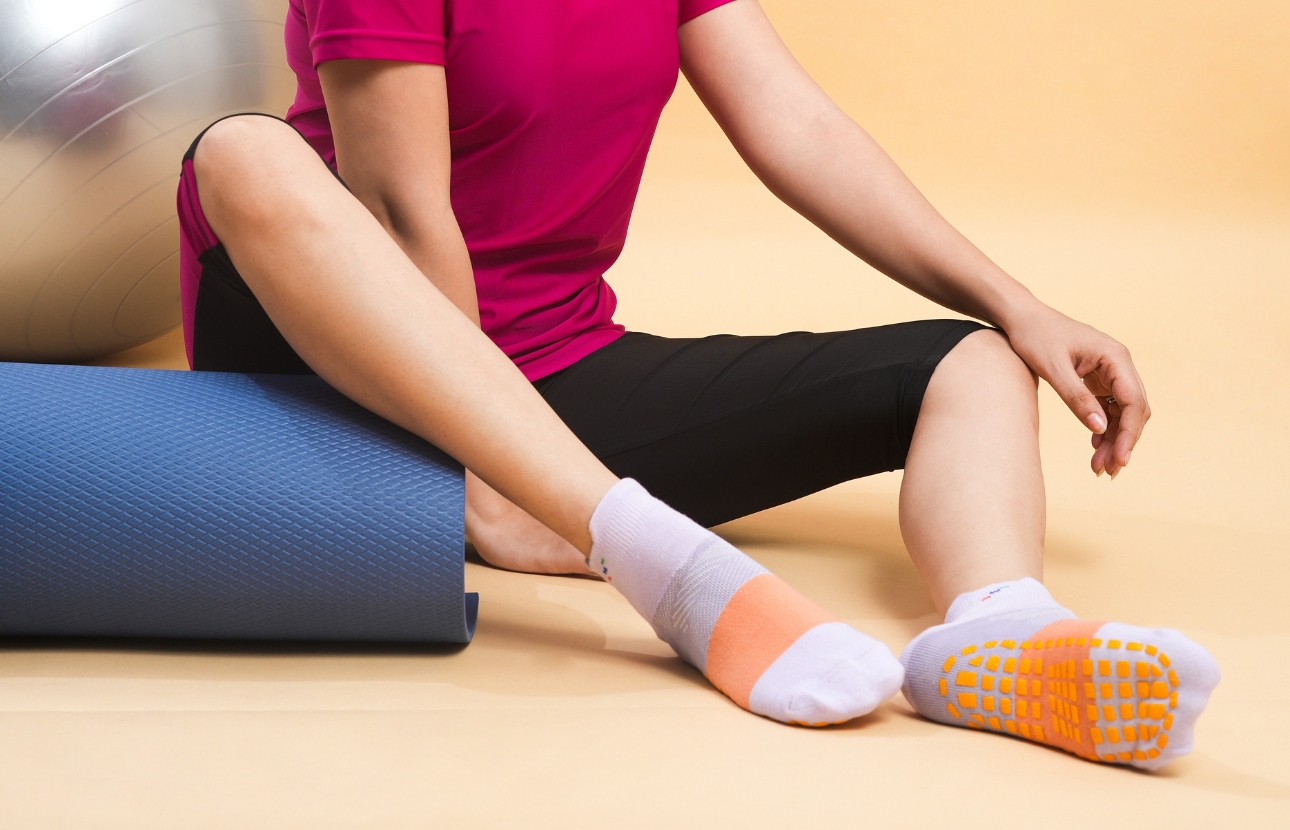
In the world of mindful movement, every detail matters. From the mat beneath your feet to the breath guiding your flow, yoga and Pilates are practices rooted in awareness. Yet one accessory has quietly transformed the way practitioners experience these disciplines: yoga and Pilates socks. Designed with non-slip grips, breathable fabrics, and supportive structures, these socks embody the mantra of grip, ground, and glow.

This blog explores the origin, benefits, features, trends, and buying guide for yoga and Pilates socks, weaving together tradition and modern innovation.

🌍 The Origin Story of Yoga & Pilates Socks

Yoga: Barefoot Beginnings
Yoga originated in India thousands of years ago as a barefoot practice. The connection between feet and earth symbolized grounding, energy flow, and spiritual alignment. Traditionally, practitioners avoided footwear to maintain tactile awareness and balance.

However, as yoga spread globally and entered modern studios, hygiene and safety became pressing concerns. Shared mats and studio floors introduced risks of slipping and exposure to bacteria. Socks emerged as a solution—protecting feet while preserving the essence of barefoot connection through open-toe and grip-enhanced designs.

Pilates: Precision and Innovation
Pilates was developed in the early 20th century by Joseph Pilates, a German trainer who emphasized controlled movement, core strength, and alignment. Pilates reformer machines, with their sliding platforms and springs, demanded stability. Non-slip socks became essential to prevent accidents and enhance precision.

Thus, yoga and Pilates socks evolved as modern innovations rooted in ancient and early 20th-century practices, blending tradition with contemporary wellness needs.

🧦 What Are Yoga & Pilates Socks?
Yoga and Pilates socks are specialized non-slip socks designed to:
– Provide traction on mats and reformer machines.
– Maintain hygiene in shared studio spaces.
– Offer comfort and warmth during slower practices.
– Support alignment and balance in dynamic movements.

They come in various styles:
– Open-Toe Socks: Allow tactile connection with the mat, enhancing proprioception.
– Full-Toe Socks: Provide warmth and coverage, ideal for colder studios.
– Hybrid Designs: Combine grip technology with stylish prints for studio-to-street wear.

🌟 Benefits of Yoga & Pilates Socks

1. Grip & Stability
The silicone or rubber grips on the sole prevent slipping during poses like Downward Dog or Pilates reformer lunges. This enhances confidence and reduces injury risk.

2. Hygiene Protection
Socks act as a barrier against bacteria, sweat, and dust on mats and studio floors, ensuring a cleaner practice.

3. Comfort & Warmth
In restorative yoga or slow Pilates sessions, socks keep feet cozy, preventing distraction from cold surfaces.

4. Mindful Focus
By eliminating the fear of slipping, socks allow practitioners to focus on breath, alignment, and flow—deepening the meditative quality of practice.

5. Versatility
Beyond yoga and Pilates, grip socks are useful for barre, dance, and home workouts.

🧘 Features to Look For

– Non-Slip Grip: Silicone or rubber dots for traction.
– Breathable Fabrics: Cotton, bamboo, or moisture-wicking blends.
– Toe Options: Open-toe for tactile connection, full-toe for warmth.
– Arch Support: Compression bands to reduce fatigue.
– Durability: Reinforced heels and toes for long-lasting wear.
– Eco-Friendly Materials: Organic cotton and recycled fibers for sustainability.

🧘 Yoga vs Pilates Socks: What’s the Difference?

Feature                      Yoga Socks
Grip Importance        High (mat stability) Very High (reformer safety)
Toe Options              Open-toe common  Full-toe more common
Fabric Preference     Breathable cotton  Stretchable blends
Style Trends             Chakra prints, mandalas  Sleek, minimalist

🔮 Trends in 2025 and Beyond

– Eco-Friendly Materials: Organic cotton, bamboo, recycled fibers.
– Fashion Meets Function: Chakra-inspired prints, poetic motifs, bold colors.
– Hybrid Designs: Studio-to-street socks for versatility.
– Symbolic Grip Patterns: Lotus petals, chakras, and mandalas for spiritual resonance.
– Personalized Rituals: Brands experimenting with bilingual invocations and poetic packaging.

Buying Guide: How to Choose the Best Yoga & Pilates Socks

1. Check Reviews: Look for durability and grip performance.
2. Size & Fit: Ensure snug fit without restricting circulation.
3. Purpose: Choose open-toe for yoga, full-toe for Pilates reformer.
4. Brand Values: Support sustainable and ethical brands.
5. Budget: Affordable options exist without compromising

Risks & Considerations

– Barefoot Benefits: Traditionalists argue barefoot practice enhances grounding and sensory feedback.
– Quality Issues: Low-quality socks may lose grip after washing, reducing safety.
– Fit Concerns: Ill-fitting socks can restrict circulation or bunch up, disrupting practice.

Grip, Ground, and Glow – A Poetic Perspective
Yoga and Pilates socks are more than functional gear. They embody a ritual:
– Grip: Anchoring you in every pose, every reformer movement.
– Ground: Connecting you to the earth, honoring barefoot traditions.
– Glow: Inspiring confidence, comfort, and mindfulness that radiates beyond the studio.

Conclusion
Yoga and Pilates socks are small but mighty allies in your wellness journey. Rooted in barefoot traditions yet adapted for modern studios, they protect, support, and inspire confidence in every movement. Choosing the right pair transforms practice into a ritual of balance, beauty, and mindfulness.

Sign up for our Newsletter

Get on the list and get 10% off your first order!
Copyright © 2025 The Sock Exchange. Designed & Maintained by Zencommerce India. All Rights Reserved.
Select the fields to be shown. Others will be hidden. Drag and drop to rearrange the order.
  • Image
  • SKU
  • Rating
  • Price
  • Stock
  • Availability
  • Add to cart
  • Description
  • Content
  • Weight
  • Dimensions
  • Additional information
Click outside to hide the comparison bar
Compare
Add to cart